Chip Giants Commit to ASML's Next-Gen Lithography to Ease Supply Constraints
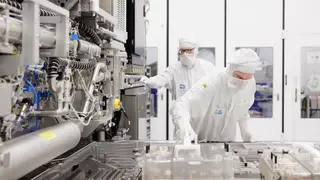
Samsung and TSMC have joined Intel in adopting ASML's High NA EUV lithography systems, with Samsung targeting DRAM production by 2028 and TSMC planning advanced-node deployment by 2030. The companies also formed a consortium to transition to larger 12-inch photomasks, which could boost yields and cut costs by eliminating stitching requirements. ASML expects to begin testing the new mask format in 2031, with production slated for 2033.
Intel remains the sole current operator of the High NA EUV equipment, having produced over one million wafers on its 18A node for Panther Lake processors. Apple is reportedly evaluating Intel's upcoming 18A-P variant for future iPhone chips.
The shift to 12-inch photomasks aims to remove the need to stitch smaller patterns together, a process that adds manufacturing hurdles. ASML's chief technology officer estimates this transition could raise system productivity by 40%, with initial testing slated for 2031 and commercial rollout in 2033. SK Hynix is considering joining the consortium.
The broader adoption of these advanced lithography systems could significantly ease global chip supply constraints, potentially lowering prices for high-end electronics and memory modules. Consumers may see faster, more efficient devices as production yields improve. Industries dependent on advanced semiconductors, such as artificial intelligence and automotive manufacturing, could benefit from increased availability, though the timeline to 2033 means immediate relief is unlikely.