Serbia's state funeral for war criminal sparks debate on justice
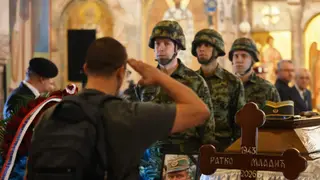
Thousands attended the state funeral of Ratko Mladic in Belgrade, the former Bosnian Serb army commander convicted of genocide. The author argues that such glorification shows the limits of international justice, noting that leaders like Putin and Trump have ignored humanitarian law. The piece questions whether any lessons have been learned from decades of international tribunals.
The funeral took place at St Luka Church in Belgrade on September 7, 2026, with Serbian military personnel standing guard as thousands filed past the coffin. Sir Geoffrey Nice, the article's author, previously served as a UN prosecutor in 1998, handling cases against Bosnian Croats and a Bosnian Serb.
Nice first visited Yugoslavia in 1963 on a student exchange, staying with a family linked to Aleksandar Rankovic, a top communist official. He later worked in Croatia in 1971, observing the state's "brotherhood and unity" slogan in practice before the 1990s wars.
The state funeral could deepen societal rifts within Serbia and Bosnia, as it may embolden nationalist narratives while re-traumatizing victims' families. For the international community, this public glorification may signal that legal verdicts from tribunals like the ICTY have limited power to shape collective memory or deter future political leaders. The event could also influence how younger generations in the region perceive historical accountability, potentially reinforcing polarized interpretations of the 1990s conflicts.