Shift in Esophageal Cancer Types Reflects Changing Risk Factors
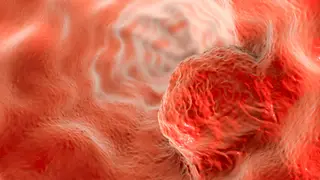
In the U.S., the incidence of esophageal adenocarcinoma has risen dramatically since the mid-1970s, now accounting for over 60% of new cases, while squamous cell carcinoma has declined. This shift contrasts with global patterns, where squamous cell remains dominant. Experts attribute the change to diet and environmental factors, with Western-style diets increasingly associated with adenocarcinoma.
U.S. incidence rates for esophageal cancer climbed continuously from the mid-1970s until roughly 2004, after which they leveled off. The American Cancer Society projects 22,530 new diagnoses for 2026, with men comprising close to four-fifths of that total.
The rise of adenocarcinoma in Western countries stems from reflux-related tissue changes, where chronic exposure to stomach acid and bile prompts cellular transformation in the lower esophagus. Conversely, squamous cell carcinoma persists as the global norm, though its frequency is climbing in areas embracing Western eating patterns.
This epidemiological shift could reshape public health priorities, as prevention strategies may need to emphasize obesity management and reflux control alongside traditional smoking cessation. Healthcare systems might see increased demand for endoscopic surveillance of Barrett's esophagus, particularly among older men. The contrasting global patterns may also influence international research funding, potentially directing more attention to dietary and metabolic drivers of cancer rather than purely environmental carcinogens.