FDA Foreign Inspection Decline Raises Concerns Amid Cyclospora Outbreak
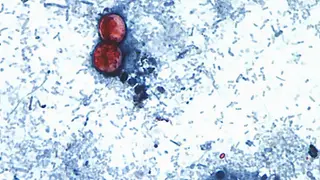
A nationwide Cyclospora outbreak linked to contaminated lettuce has highlighted a significant drop in FDA inspections of foreign food sites, down nearly 35% since 2019. The pandemic caused a wave of inspector departures, and recent staffing cuts may further reduce oversight. Former officials note that the agency has long failed to meet its mandated inspection targets, and proposed shorter inspections may not be adequate.
Foreign food inspections fell to 1,140 in fiscal 2025, a 17% drop from the prior year. Although inspectors were spared from mass layoffs, the elimination of more than half of the travel-booking staff has forced them to arrange their own logistics, contributing to the month-long delay before reaching the implicated Mexican farm.
To stretch limited resources, the agency is piloting one-day inspections, which former officials argue are far less thorough than standard multi-day reviews. While FDA leaders point to border sampling and importer checks as supplements, the recent retraction of a faulty Cyclospora test result underscores potential gaps in these alternative strategies.
Reduced foreign oversight could leave consumers more vulnerable to contaminated produce, as seen with the Cyclospora outbreak. Importers and domestic distributors may face heightened scrutiny or economic losses if inspections decline further. Public trust in regulatory safeguards could erode, particularly if alternative methods like border sampling prove unreliable. The strain on inspectors might also affect the safety of other imported goods, potentially increasing the burden on healthcare systems treating foodborne illnesses.