Europe's Chance to Shift from Funder to Broker in Mideast Peace
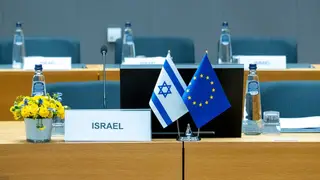
The article argues that Europe has historically financed projects in Gaza only to see them destroyed, earning it the label of a payer rather than a player. With U.S. opinion shifting, the EU now has an opening to adopt a more assertive and independent policy on the Israeli-Palestinian conflict. The authors suggest that through constructive engagement, Europe could become a genuine diplomatic actor in the region.
The 1998 opening of Gaza's airport, largely financed by European nations, was celebrated as a success of the Oslo process. Its subsequent destruction by Israeli forces during the Second Intifada highlighted a recurring pattern where European-funded infrastructure was lost to conflict, cementing Europe's reputation as a financier without political leverage.
Historically, EU member states have been split, with Ireland championing Palestinian statehood and Germany firmly backing Israel, leading to a policy of deferring to Washington. This dynamic left Europe outside the Abraham Accords, though it still provided funding. A notable shift occurred in September 2023 when the EU joined Saudi Arabia, Egypt, Jordan, and the Arab League in a collective diplomatic move, signaling a potential departure from passive funding.
If Europe adopts a more assertive role, it could alter the balance of diplomatic pressure on Israel and provide a counterweight to U.S. policy. This may encourage a more multilateral approach to the conflict, potentially influencing future negotiations. However, internal EU divisions could still undermine its credibility, meaning its impact may remain limited to symbolic gestures unless member states unify their stance.