Understanding home internet speed: download, upload, and latency basics
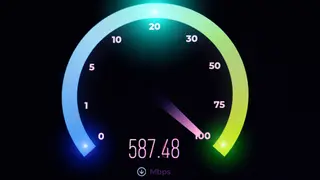
Internet speed is measured in megabits per second, with download and upload rates often differing on cable connections. Ping, or latency, indicates how quickly data round-trips and lower values are better. The article explains how to measure your connection and match it to your needs.
A crucial distinction exists between bits and bytes, as a 300 Mbps connection translates to roughly 37.5 MBps for file transfers. Cable infrastructure typically prioritizes downstream traffic, resulting in upload speeds far below download rates, whereas fiber connections offer symmetrical performance.
Service requirements vary by activity, with 4K streaming needing around 15-25 Mbps and video calls requiring roughly 4 Mbps upstream. Latency, measured in milliseconds, dictates responsiveness for interactive tasks. Households of two generally manage with 100 Mbps, while larger families or remote workers should target 300 Mbps or more to avoid bandwidth contention.
Misunderstanding internet speed metrics could lead households to overpay for unnecessary bandwidth or suffer from frustratingly slow connections. As remote work and streaming become ubiquitous, consumers may benefit from clearer guidance on matching plans to actual usage patterns. The disparity between cable and fiber upload speeds could impact those who frequently upload large files or participate in video conferencing, potentially influencing their choice of provider and overall digital equity.