Lawmakers Delay Major Decisions Until Post-Election Session
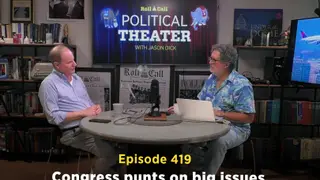
Congress has extended government funding through December, sidestepping an immediate shutdown threat. However, lawmakers left several contentious policy matters unresolved, which they will need to tackle after the November elections. The upcoming lame-duck session is expected to feature intense debates on these deferred issues.
The legislative branch has temporarily sidestepped a government closure by passing a stopgap funding measure through the House, pushing the next fiscal deadline to December. This action postpones a broader budget confrontation until after the upcoming midterm elections.
Among the deferred matters is a proposed data centers bill, where Republican lawmakers have not reached an agreement on its scope or timing. Additionally, the political landscape is shifting, as the National Republican Congressional Committee has recently added five more candidates to its targeted program, setting the stage for intense post-election negotiations.
The delay of contentious policy decisions until a lame-duck session could create a compressed and volatile legislative environment. Federal agencies and contractors may face uncertainty about future funding levels, while voters might see their post-election representatives negotiate major compromises without a fresh mandate. This timing could also affect public trust in government efficiency, as critical issues remain unresolved while the political focus shifts to campaigning.