Indonesia's volcano eruption sparks debate on disaster preparedness
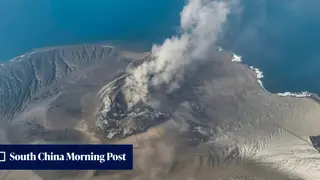
The eruption of Anak Krakatoa disrupted nearly 3,000 flights and affected over 340,000 passengers as volcanic ash spread across the region. Authorities are monitoring the volcano under the country's second-highest alert status, with scientists noting the event's exceptional scale makes its impact hard to anticipate. The incident has renewed discussions on whether Indonesia's monitoring and disaster planning can be strengthened.
The volcano, located in the Sunda Strait between Java and Sumatra, began a 25-hour continuous eruption on Friday. Authorities have kept it at the second-highest alert level, and the Geological Agency warns that future eruptions remain highly probable, potentially producing incandescent rocks, heavy ash, and lava flows.
Meteorological agency BMKG recorded ash plumes reaching 50,000 feet on Monday. In response to the ongoing threat, an expert has urged Jakarta to proactively publish evacuation routes and hazard maps, following the initial pre-eruption alert, to better guide residents and travelers.
The disruption of nearly 3,000 flights and 340,000 passengers highlights the far-reaching economic and logistical consequences of such eruptions. This event may prompt regional authorities to reassess how quickly they communicate pre-eruption warnings to airlines and coastal communities. Improved mapping and clearer evacuation protocols could reduce future chaos, though the unpredictable scale of Anak Krakatoa means even robust systems may face limits in safeguarding lives and travel networks.