China pushes for joint security action with Central Asian neighbors
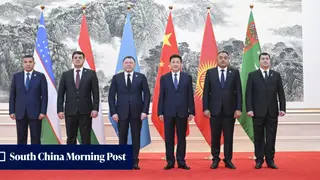
Chinese Public Security Minister Wang Xiaohong met with counterparts from Kazakhstan, Kyrgyzstan, Tajikistan, Turkmenistan, and Uzbekistan to deepen cooperation against terrorism, separatism, and extremism. The talks also focused on protecting Belt and Road Initiative investments and securing energy and transport corridors. This follows the Shanghai Cooperation Organisation summit where President Xi Jinping emphasized security as a key goal.
The informal gathering in Beijing brought together top law enforcement officials from five Central Asian republics. Minister Wang Xiaohong presided over the session, which focused on the "three evil forces" concept—a phrase central to Beijing's security doctrine and the Shanghai Cooperation Organisation, historically tied to unrest in Xinjiang.
Beyond counterterrorism, the talks emphasized safeguarding economic assets. With regional energy and transport routes being crucial to China's strategic interests, the ministers agreed to prioritize intelligence sharing, joint training for law enforcement, and protecting critical infrastructure along Belt and Road corridors.
This security pact could enhance regional stability along China's western border, potentially reducing risks for energy and trade routes. For Central Asian governments, deeper police cooperation may bolster their domestic security apparatuses, though it could also increase Beijing's influence over their internal affairs. Local populations might see improved border management and reduced telecoms fraud, but civil liberties could face pressure if security measures expand. The initiative may solidify China's role as a regional security guarantor.