Cosmic Self-Reflection: Why Anthropocentrism Limits Our Understanding of the Universe
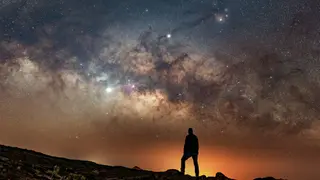
A New Scientist columnist argues that while it is natural for humans to interpret the universe through our own experiences, this tendency can distort our appreciation of cosmic phenomena. She points to Alfred Tennyson's satirical poem as an early warning against careless self-centeredness in astronomy. Instead, she suggests we can marvel at the cosmos without making humanity the central character in the story.
Tennyson's satirical poem, composed during his undergraduate years at Trinity College, Cambridge, targets a student who claims the universe reveals human insignificance yet only gives it a careless glance. The poet mocks this vanity, showing how the student uses the cosmos as a mirror for self-admiration.
Prescod-Weinstein draws a parallel to modern scientific pressures, where researchers must constantly justify their work's practical worth to funders and the public. She also references Sagan's famous observation that carbon, a by-product of stars, forms the basis of life, linking humanity directly to cosmic processes.
This perspective could encourage science communicators to shift away from demanding immediate practical returns from astronomy, allowing for appreciation of cosmic wonder on its own terms. It may also prompt researchers to reflect on their own motivations, potentially reducing narcissistic framing in public outreach. Ultimately, it could foster a more humble and accurate public understanding of humanity's place in the universe, moving beyond self-centered narratives.