Esports teams invest in medical staff as player injuries rise
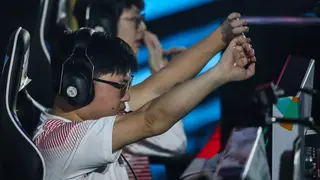
Esports players face high rates of mental health issues and repetitive-motion injuries, prompting teams to hire sports-medicine professionals. A 2021 study found 37% of competitive gamers experience anxiety and depression, while chronic wrist and arm injuries have forced top players like Jian 'Uzi' Zi-hao to retire early.
The physical demands of professional gaming include vision fatigue and disrupted sleep cycles, with a 2021 study of Portuguese players finding 45% experienced sleep disturbances. Repetitive hand and wrist motions cause injuries similar to those seen in factory assembly work, while prolonged sitting poses risks like dangerous blood clots.
To mitigate these hazards, leading organizations now employ physical therapists, psychologists, and trainers, incorporating ergonomic seating and group exercise routines. This investment in player health mirrors traditional sports management, aiming to prevent premature retirements that have cut short lucrative careers.
The growing emphasis on medical staff could elevate labor protections for esports professionals, influencing how teams negotiate contracts and manage player workloads. This shift may also spur new health insurance products tailored to digital athletes, though smaller organizations might struggle to afford such comprehensive care. Ultimately, prioritizing wellness could extend careers and reshape the industry's long-term economic sustainability.