Japan's new residency fees and rules may strain foreign worker integration
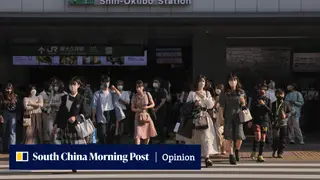
Japan is set to significantly increase fees for residence permits and permanent residency applications next month, with the latter rising from ¥10,000 to ¥200,000. The government also plans to impose stricter criteria for permanent residency, including income, pension, and language requirements. These changes come as Japan increasingly relies on foreign workers, who accounted for over half of the labor force growth between 2023 and 2024.
The permanent residency application fee will rise twentyfold to ¥200,000, while renewal or status-change costs for shorter stays may reach ¥75,000. New eligibility proposals include household income above the national average, projected pension sufficiency, and demonstrated Japanese language and civic knowledge.
Foreign workers reached a record 2.57 million last October, representing over half of the labour force increase from 2023 to 2024. However, 2020 census data shows male workers from Brazil (53%) and Indonesia (45%) are far more likely to hold non-regular jobs than Japanese men (15%), suggesting the financial burden may fall unevenly.
The higher fees and stricter permanent residency criteria could disproportionately affect lower-income foreign workers, particularly those in non-regular employment, potentially discouraging long-term settlement. This may exacerbate labour shortages in manufacturing and construction, where retention is already challenging. While the government aims to ensure self-sufficiency, these measures may inadvertently create a more transient workforce, straining community integration and local service stability over time.