Union voters face economic uncertainty as manufacturing jobs decline
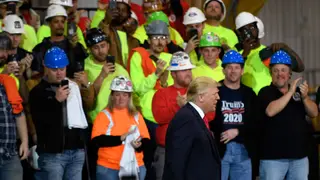
Union members are grappling with rising costs and a loss of 75,000 manufacturing jobs, while automation limits new hiring. The Trump administration's federal job cuts have also disrupted many union households. These factors could sway union voters in key swing states during the midterm elections.
Union representation has drastically shrunk over four decades, dropping from 20.1% in 1983 to just 10.0% in 2025. This decline is starkly split by sector, with public-sector workers unionizing at 32.9% compared to only 5.9% in the private sector.
While tariffs might encourage some domestic production, experts note that new factories in tech and defense rely heavily on automation, limiting job growth. Meanwhile, food costs have climbed 3% year-over-year, adding financial strain alongside the 75,000 manufacturing positions lost since early 2025.
The shifting allegiances of union households could significantly alter the balance of power in closely contested midterm races, particularly in states like Michigan, Pennsylvania, and Nevada. If economic anxieties persist, these voters may prioritize practical solutions over traditional party loyalty. The outcome could reshape legislative priorities regarding automation, trade policy, and social safety nets, affecting both blue-collar workers and broader economic strategies.