Rail Lobby's Cost Study Misses the Real Question on Electrification
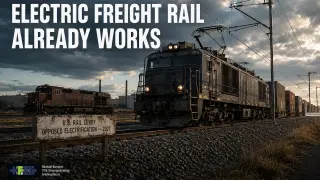
A new analysis commissioned by the Association of American Railroads estimates that electrifying the entire US freight rail network would cost up to $1.1 trillion, but the underlying report actually concludes the system is technically feasible. The lobby group used the estimate to argue against electrification, yet the real question is where to start and which corridors offer the best returns. The article argues that a decision-grade approach should prioritize incremental investments rather than a full-network transformation.
The HDR assessment itself confirms technical viability, citing successful heavy electric freight operations in India, China, and a South African test train exceeding North American weight benchmarks. These international examples undermine physical objections, suggesting continental scale and difficult climates are not insurmountable barriers.
The study was commissioned by the Association of American Railroads, which had already publicly opposed electrification. HDR, a consultancy embedded in the freight-rail ecosystem, produced a full-network cost estimate rather than a phased corridor analysis, which the article argues is the wrong analytical frame for incremental infrastructure transitions.
This framing could shape public and policy discourse on decarbonizing freight. If the trillion-dollar estimate dominates headlines, it may discourage targeted investments in high-value corridors, delaying emissions reductions and localized air quality improvements for communities near rail hubs. Conversely, a shift toward incremental electrification could eventually lower operating costs for shippers and reduce diesel dependence, though initial capital burdens would fall on rail operators and public funding mechanisms.