Marine Heat Waves Linked to Higher Child Malnutrition
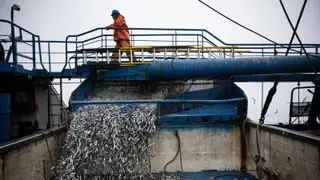
A new study found that increases in marine heat waves are correlated with higher child mortality and malnutrition in low- and middle-income countries. For each standard deviation increase in heat wave frequency, child mortality rose by 5.4%, and wasting and stunting also increased. The researchers are still investigating the mechanisms, which may involve disrupted ocean food chains or other climate effects.
The study, published in the Proceedings of the National Academy of Sciences, examined health records from low- and middle-income nations. Researchers found that an increase of roughly three marine heat waves over a two-year period corresponded with a 5.4% rise in child mortality, alongside notable increases in wasting (6.5%) and stunting (8.8%).
While the exact causal pathways remain unclear, scientists suspect that warmer oceans may decimate vital fish stocks, though terrestrial heatwaves or mosquito-borne diseases are also possible drivers. The findings align with broader climate-health research, and experts view this as a crucial initial step for targeting future investigations.
This correlation could significantly impact coastal communities in developing nations that rely heavily on marine resources for nutrition and livelihoods. If ocean warming disrupts local food supplies, vulnerable populations may face worsening food insecurity, potentially straining healthcare systems already burdened by other climate stressors. The findings may also guide future funding and policy priorities, prompting targeted research into specific mechanisms to protect children's health in these regions.