Grand Canyon flash flood linked to climate factors and wildfire scars
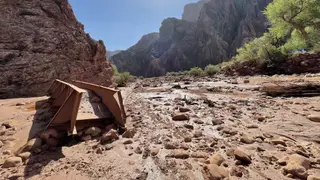
A flash flood in Grand Canyon's Bright Angel Creek killed at least two people and prompted rescues. The event was likely driven by drought, wildfire burn scars, and warming Pacific temperatures that intensify storms. Federal models indicated elevated debris flow risks in the area.
The flood struck during the typical monsoon season, but the steep canyon terrain and the Dragon Bravo fire's burn scar—which scorched nearly 150,000 acres in 2025—likely worsened runoff. Federal assessments predicted debris flow risks two to eight times higher upstream of Phantom Creek, with hazardous rockfall expected for at least a year.
Park officials had anticipated dangerous conditions near the burn area this summer. Evacuated hikers observed the creek turning black with runoff, while the ongoing regional drought and a historic El Niño warming Pacific waters may have intensified the storm, illustrating the growing threat of "compound extremes."
This disaster could affect tourism and safety protocols in national parks, as visitors and staff face heightened risks from overlapping climate hazards. Communities reliant on canyon recreation may see economic disruption, while emergency response systems could be strained by more frequent compound events. The event may also prompt federal agencies to reassess trail accessibility and post-fire monitoring, potentially altering seasonal visitor limits and evacuation strategies.