Iraq braces for end of US-led coalition mission amid security worries
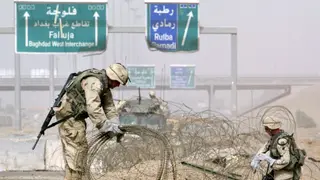
The US-led coalition will conclude its mission in Iraq by September 30, with the removal of air defense systems from Erbil. Analysts warn that Iraq faces significant security and political challenges as it transitions to a new phase. The withdrawal follows a 2024 agreement between Baghdad and Washington.
The withdrawal follows a 2024 bilateral pact, with the final departure set for September 30. A key component involves removing American air defense batteries from Erbil, which recently intercepted Iranian missiles and drones during the US-Israel conflict.
Analysts characterize the exit as largely symbolic, noting US personnel have already vacated major facilities like Camp Victory and the Green Zone, retaining a presence mainly at Harir base. Concurrently, Baghdad is pressing non-state armed groups to disarm, linking this to state authority.
The conclusion of the coalition mission could reshape Iraq's security landscape, potentially leaving a vacuum that local forces must fill. Iraqi civilians may experience shifting dynamics as the state asserts control over armed factions, which could either reduce internal tensions or provoke resistance. Regional stability might also be affected, as the removal of US air defenses in Erbil could alter the balance of deterrence against Iranian threats, though the transition is framed as a step toward sovereignty.