New Mexico Halts New Uranium Leases on State Land
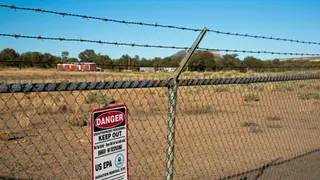
New Mexico's land commissioner signed an executive order banning new leases for uranium mining on state lands, blocking projects as the federal government pushes to expand domestic uranium production. The move aims to protect communities and water from contamination, with supporters citing the legacy of abandoned mines and health risks.
New Mexico's past as the leading uranium supplier left behind hundreds of abandoned shafts and the country's worst radioactive incident, a 1979 dam failure that spilled millions of gallons of tainted water. The state also contains the Trinity atomic test site, where nearby tribal populations have faced persistent health issues from both mining and nuclear testing.
The new directive only applies to state-owned parcels, leaving federal land projects and existing leases untouched, so planned operations by Laramide Resources and Energy Fuels may still advance. Federal authorities are accelerating uranium initiatives, framing them as vital to national security, while state officials prioritize safeguarding water and residents.
This order could create a regulatory divide between state and federal priorities, potentially slowing uranium development in New Mexico while permitting it on federal lands. Residents near legacy mines may gain protection from new contamination, though jobs and tax revenue from future projects could be forfeited. The move may also embolden other states with similar mining histories to assert local control over energy development.