UN expert: Gaza rubble removal may destroy evidence of war crimes
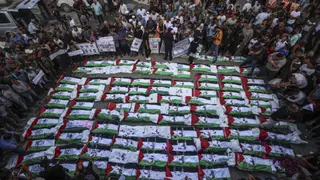
UN special rapporteur Francesca Albanese warned that Israel's large-scale removal of rubble in Gaza could erase traces of alleged international crimes, including genocide. She said the rubble contains human remains and physical evidence, with over 10,000 people still buried under debris. Albanese called the rubble 'part of a crime scene, a graveyard'.
The conflict began after an October 2023 Hamas assault that killed 1,221 people, according to Israeli figures. Gaza's health ministry reports over 73,000 Palestinian deaths, including more than 1,330 since a ceasefire last October. Albanese cited a specific case where remains of 112 family members were recovered from a November 2023 strike, while 41 others from that incident remain unfound.
Appointed by the Human Rights Council in 2022, Albanese operates independently of the UN Secretariat. Israel has not yet responded to her latest statement, and the United States previously imposed sanctions on her following criticism of Washington's policies.
The dispute could shape how reconstruction proceeds, as forensic preservation may delay clearance efforts that displaced Gazans urgently need. Families of the missing could face prolonged uncertainty if remains are not recovered. International courts and investigators may find their cases weakened without an unbroken chain of custody. Additionally, foreign governments and firms participating in rubble removal could face legal exposure or diplomatic pressure, potentially influencing their willingness to assist in rebuilding.