Survey reveals divided opinions on FCC robot import ban
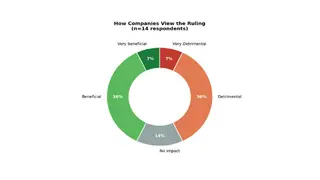
MassRobotics surveyed 14 member organizations about the FCC's ban on foreign-made robots. The results showed an even split: 43% viewed the ruling as beneficial, 43% as detrimental, and 14% expected no impact. The ban targets advanced robotic devices with connectivity and sensors, requiring domestic components.
The FCC's July 2026 rule imposes specific technical thresholds, covering ground-based robots over 4.4 pounds equipped with sensors, connectivity, and navigation software. To qualify as domestic, 65% of component costs must originate in the U.S., a figure slated to rise to 75% by 2029. Waivers are available through the Department of War, though approval takes four to eight weeks.
The MassRobotics survey of 14 firms revealed that sentiment aligns closely with production geography. While domestic manufacturers see a competitive edge, those reliant on East Asian components—including motors, sensors, and power supplies—face costly disruptions. Notably, 29% of respondents have onshoring plans but have not yet initiated them, and the most requested assistance was access to vetted domestic supply networks.
This regulatory split could significantly reshape the robotics industry's supply chains and investment landscape. Companies with foreign dependencies may face higher costs and delays, potentially slowing innovation, while domestic producers could gain market share. The policy may also influence job creation and manufacturing localization in the U.S. However, uncertainty around waivers and political shifts could deter long-term planning, affecting startups and established firms alike. Ultimately, consumers and industrial users might see varied impacts on robot availability and pricing.