Tesla's Cybercab launch faces regulatory scrutiny
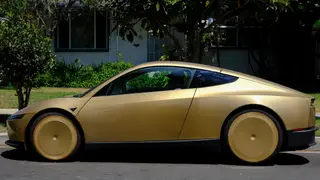
Tesla began operating its first Cybercabs in Austin, but the National Highway Traffic Safety Administration opened an investigation into the vehicles, which lack manual controls. The event drew mixed reactions, with CEO Elon Musk absent and Wall Street unimpressed. Tesla has registered only 45 Cybercabs in Texas, far behind Waymo's scale.
The federal investigation centers on the Cybercab's lack of traditional steering wheels or pedals, which current safety rules mandate. Tesla employed the standard self-certification process used for conventional vehicles, prompting the agency's intervention. While the Department of Transportation has proposed relaxing these requirements for fully autonomous cars, that change has not yet been finalized.
Operationally, Tesla has only 45 Cybercabs registered in Texas, a fraction of Waymo's fleet size. Company guides also indicate the vehicle is not intended for children and that Tesla plans to sell these units to fleet operators, rather than exclusively operating them itself.
The regulatory friction could slow Tesla's robotaxi rollout, affecting early riders and city traffic patterns. It may also set a crucial precedent for how federal agencies evaluate driverless vehicles without manual controls, influencing safety standards across the industry. If Tesla overcomes these hurdles, it could intensify competition with Waymo, potentially accelerating autonomous adoption, though current uncertainty may dampen public trust and investor confidence.