Injectable gel converts support cells into neurons, offering potential Alzheimer's therapy
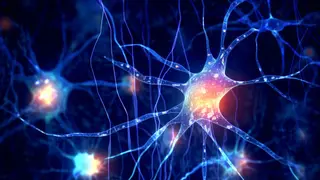
Researchers have developed a gel that transforms astrocytes, a type of support cell in the brain, into functional neurons. This technique could help replace neurons lost to neurodegenerative conditions such as Alzheimer's disease. The approach represents a novel strategy for cell-replacement therapy in the brain.
Astrocytes are support cells that vastly outnumber neurons in the brain, making them an abundant potential source for replacement tissue. The gel-based approach delivers a transformative signal directly to these cells, converting them into functional neurons in place. This differs from traditional cell-transplant methods, which require harvesting or growing neurons externally before surgical implantation. Because the gel works within the brain itself, it may sidestep complications like immune rejection or poor graft survival. The technique is still early-stage, but it targets the core problem of neuron loss that defines Alzheimer's and similar neurodegenerative diseases, where damaged cells cannot regenerate naturally.
If validated in further studies, this gel could reshape how neurodegenerative conditions are approached clinically, potentially offering a less invasive alternative to cell transplants. Patients with early-stage Alzheimer's may benefit most, as replacing lost neurons could slow cognitive decline. However, significant hurdles remain, including safety, long-term efficacy, and whether newly formed neurons integrate properly into existing brain circuits. The therapy may also carry risks of overgrowth or unintended effects. Ultimately, its impact will depend on rigorous human trials, but the concept represents a meaningful step toward regenerative medicine for the brain.