Elderly Pedestrians Face Higher Fatality Risk in Vehicle Accidents
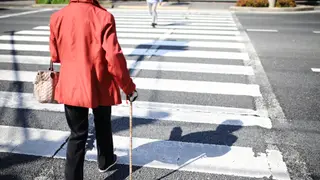
People aged 65 and older are more likely to die after being struck by a vehicle compared to other age groups. The article explores the reasons behind this elevated risk.
The heightened vulnerability of older pedestrians reflects a broader public-health concern as populations age worldwide. While the summary notes that adults 65 and older face a greater likelihood of death after being struck, the underlying factors typically involve reduced physical resilience, slower reaction times, and increased fragility—though these specifics are not detailed in the source material. This story sits within a larger conversation about road design, crosswalk timing, and vehicle safety features that disproportionately affect seniors. Without additional data, the report underscores a persistent disparity in traffic outcomes, urging attention to how infrastructure and mobility systems accommodate the oldest road users.
This story may influence how cities prioritize pedestrian safety for aging populations, potentially prompting longer crossing signals, lower speed limits, or vehicle design changes. Older adults, who often rely on walking for independence, could benefit from such measures, while families and caregivers may face reduced worry. However, without broader data, the impact remains uncertain—it could also spark debate over resource allocation, but the core concern is clear: protecting a growing demographic from preventable fatalities.