Unenforced Health Industry Agreements May Fade Away
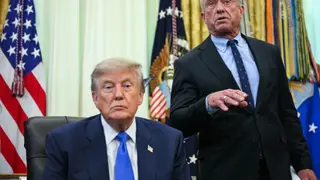
The agreements announced by Trump and Kennedy on drug pricing, synthetic food dyes, and insurance prior authorization have not been enforced. Their future is uncertain, and they may not result in lasting change.
The agreements announced by President Trump and Robert F. Kennedy Jr. touched on three distinct healthcare concerns: prescription drug pricing, synthetic food dyes, and insurance prior authorization. Each area carries significant weight for patients and providers, yet none of the announced measures have been implemented or enforced. Without formal regulatory action or legislative backing, such announcements often remain symbolic gestures rather than operational policy.
This pattern is not unusual in healthcare politics, where high-profile pledges frequently stall between announcement and execution. The absence of enforcement mechanisms, coupled with potential shifts in administrative priorities, leaves these initiatives in a precarious state. Whether they evolve into lasting reforms or quietly dissolve depends on sustained political will and institutional follow-through, neither of which is guaranteed.
If these agreements fade, patients may see little change in out-of-pocket costs or approval delays for medical care, while consumers could continue facing artificial additives in food products. The uncertainty itself may erode public trust in healthcare leadership, as repeated unfulfilled promises can breed cynicism. Conversely, if enforcement eventually materializes, drug pricing and prior authorization reforms could meaningfully reduce financial and administrative burdens for millions. The outcome may also signal how future health policy announcements are received—either as credible commitments or as rhetoric without substance.