Summer Camp for Brain-Injured Kids Thrives Amid Federal Funding Gaps
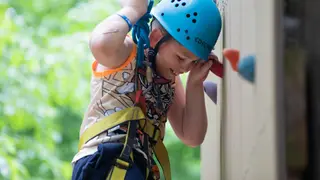
A rural Pennsylvania camp for children with acquired brain injuries continues to operate despite instability in federal programs that support brain injury research and services. The camp focuses on building community, confidence, and fun for its young attendees. Federal legislation supporting these programs has lapsed, and the injury-tracking workforce has been reduced.
The camp, situated in rural Pennsylvania, provides a dedicated summer experience for children living with acquired brain injuries. Its programming emphasizes social connection, personal confidence, and recreation, offering a supportive environment where young attendees can simply enjoy being kids alongside peers who share similar experiences. The camp’s continued operation stands in contrast to the uncertain landscape of federal support for this population.
Funding challenges loom over the broader brain-injury community. Key federal legislation that underpins research and service programs has expired, leaving a gap in sustained support. Additionally, the workforce responsible for tracking injuries has seen reductions, which could hamper data collection and long-term planning. Despite these systemic pressures, the camp persists, highlighting the resilience of local communities in filling critical care gaps.
The camp’s survival amid federal instability may signal a growing reliance on local, community-based programs to meet needs that public systems are struggling to address. Families of children with brain injuries could face increased uncertainty about long-term resources, while reduced injury tracking may hinder research and prevention efforts. The camp’s success may also serve as a model, but it cannot replace the systemic support these children and their families depend on.