FDA Approves HIV Drug for Newborns Under Four Weeks
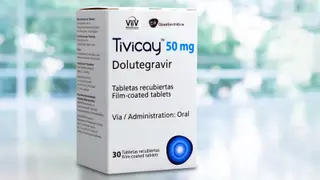
The FDA has expanded approval of dolutegravir oral suspension to treat HIV in newborns younger than 4 weeks old who weigh at least 2 kg. The decision was supported by a phase I study and pharmacokinetic modeling showing drug levels similar to those effective in adults. The safety profile was consistent with that seen in older patients.
The approval extends dolutegravir’s use to the youngest HIV patients, filling a gap where few antiretrovirals have been formally studied. The phase I trial enrolled 48 newborns, with follow-up at 16 weeks, and relied on pharmacokinetic modeling to bridge efficacy data from adults. Safety signals matched those seen in older children and adults, though the FDA notes that adult tablets are not interchangeable with the pediatric oral suspension on a milligram basis. The drug remains contraindicated with dofetilide and in cases of prior allergic reaction.
This decision builds on dolutegravir’s existing approvals, which already covered children from 4 weeks of age. The World Health Organization lists it as a preferred first- or second-line agent for pediatric HIV. Early treatment is critical in newborns, as viral suppression during the first weeks of life can improve long-term outcomes, though the label still requires combination therapy with other antiretrovirals.
This expansion could meaningfully improve care for a vulnerable population—newborns with HIV, who previously had limited age-appropriate options. Earlier access to an effective integrase inhibitor may help suppress viral load faster, potentially reducing infant mortality and long-term complications. However, real-world impact depends on availability of the oral suspension, healthcare infrastructure for neonatal dosing, and caregiver adherence. The approval may also encourage further pediatric studies, but its societal benefit will be uneven across regions with differing HIV burdens and treatment access.