Shingles Vaccine Tied to Reduced Heart Disease Risk
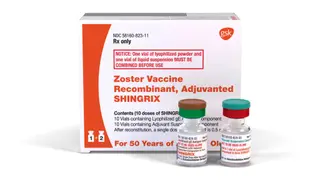
A study from Oxford University suggests that the newer shingles vaccine is associated with a lower risk of heart disease. Researchers describe it as the first vaccine to protect both heart and brain, following earlier findings on dementia risk.
This report highlights a potential new benefit of the recombinant shingles vaccine, which is already recommended for older adults to prevent herpes zoster. The Oxford University study adds to a growing body of research linking vaccination with broader health outcomes, particularly for aging populations. While the exact mechanisms remain unclear, the finding suggests that preventing viral reactivation may have systemic effects beyond the immediate infection. The earlier noted association with reduced dementia risk further positions this vaccine as a candidate for multi-disease prevention, though confirmatory trials and long-term data are still needed. For now, the news underscores how infectious disease control can intersect with chronic disease prevention.
If confirmed, this association could reshape public health priorities, especially for older adults who face both shingles and cardiovascular disease. Health systems may see increased vaccine uptake as a low-cost, low-risk intervention with dual benefits, potentially easing burdens on cardiology and neurology services. However, causality is not established, and overinterpretation could lead to misplaced expectations. Patients and clinicians should weigh this evidence alongside existing guidelines, while researchers may pursue mechanistic studies. The broader impact hinges on replication and whether the effect holds across diverse populations.