GLP-1 Drugs Associated with Higher Remission in Ulcerative Colitis
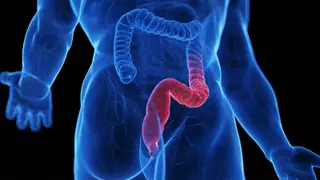
A retrospective study of 300 patients with ulcerative colitis found that those using liraglutide or semaglutide had significantly higher remission rates at 4, 8, and 12 weeks compared with non-users. The association remained strong after adjusting for factors like obesity and diabetes, and was independent of weight loss. The authors suggest these drugs may have an anti-inflammatory effect that could complement existing treatments.
The study drew on electronic health records from a West Virginia health system, comparing 150 ulcerative colitis patients prescribed liraglutide or semaglutide with 150 matched non-users. Most participants were women with obesity, and roughly a third had type 2 diabetes. Remission was defined as a partial Mayo score of two or less with no rectal bleeding. Semaglutide showed a modest edge over liraglutide at 12 weeks. The authors noted that clinical improvement appeared before significant weight loss, pointing to a possible direct anti-inflammatory effect rather than a metabolic one. They called for prospective trials to confirm the findings.
If confirmed, these results could expand the role of GLP-1 drugs beyond diabetes and weight management, offering ulcerative colitis patients an additional oral or injectable option to complement existing therapies. This may reduce reliance on corticosteroids or biologics, potentially lowering side-effect burdens and healthcare costs. However, the retrospective design and small sample mean causality remains uncertain, and broader use would require careful monitoring for gastrointestinal effects in a population already prone to bowel inflammation.