Chemoradiation Helps Most Early Rectal Cancer Patients Avoid Surgery
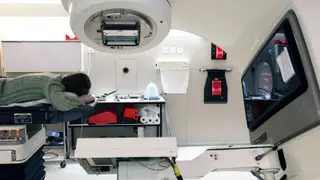
In a randomized trial, nearly 80% of patients with early-stage rectal cancer who received chemoradiation avoided surgery for at least a year, compared with 60% who had short-course radiotherapy alone. Both organ-preserving approaches had low rates of serious side effects. The results support a deliberate strategy of trying to preserve the rectum in suitable patients.
The STAR-TREC trial enrolled 341 patients with early- or intermediate-stage rectal cancer who opted against immediate radical surgery. Participants were randomized to either chemoradiation or short-course radiotherapy alone, with the primary goal of measuring how many could retain their rectum for at least one year. Quality-of-life improvements and reduced toxicity were also documented among those pursuing organ preservation.
A separate trial, TESAR, compared limited surgery followed by chemoradiation against upfront total mesorectal excision. While the limited-surgery arm showed slightly higher locoregional recurrence at three years, most recurrences were successfully salvaged, and patients experienced fewer treatment-related complications and stoma rates. Researchers emphasize that longer follow-up, particularly a planned 36-month readout, remains essential to confirm durable disease control.
This research could meaningfully shift how early-stage rectal cancer is managed, potentially sparing thousands of patients each year from major surgery and permanent colostomies. If longer follow-up confirms durable outcomes, more patients may feel empowered to pursue organ-preserving options, improving quality of life during treatment and recovery. However, the small recurrence differences observed mean clinicians must weigh oncologic safety against quality-of-life benefits, and patients will need clear counseling about individualized risk before these strategies become routine alternatives to surgery.